

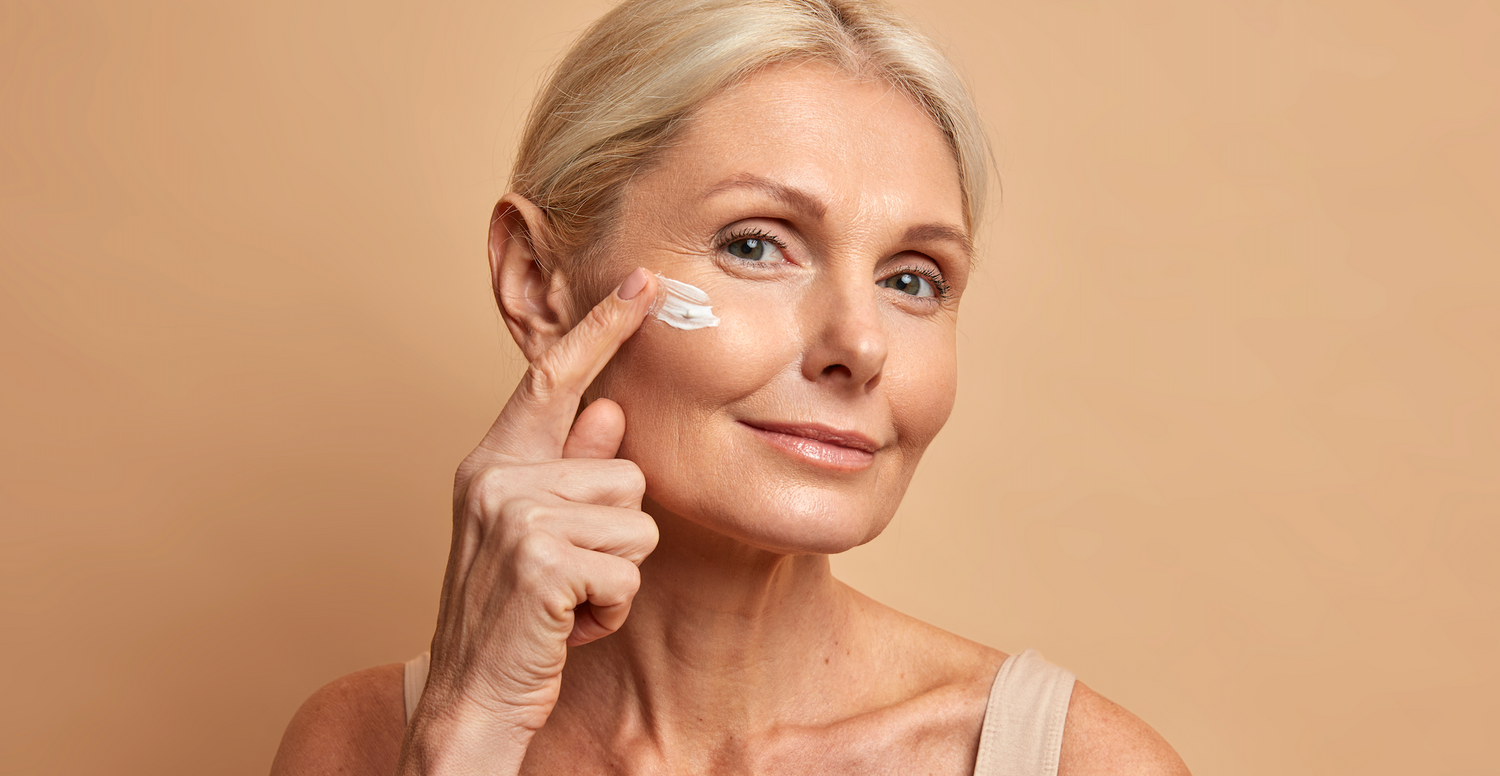
What is it?
Retinol is a type of retinoid, made from vitamin A. It’s long been a favourite among dermatologists when addressing skin conditions such as acne, enlarged pores, wrinkles and sun damage. Retinol changes the way that a cell functions and how quickly it divides into new cells so that the protective top layer of skin, the epidermis, improves its strength and elasticity.
Want to know a little more science behind it?
Stanford dermatologist Zakia Rahman, MD, explains that while some users of retinol initially experience some sensitivity to the ingredient, that soon dissipates, leaving behind an invaluable aid in improving your skin’s condition. “As we age, there is a decline in the natural production of collagen and elastic fibres that give your skin lift and bounce in the epidermis. That makes our skin more frail and thin, which leads to wrinkles, sun spots and other types of visible skin,” she says on Stanford Medicine’s online publication, Scope.
How does it help your skin?
That’s where retinol comes to the rescue, explains Rahman. “They increase the production of natural chemicals (such as hyaluronic acid) in your skin that keep it plump and moist. They stimulate collagen production and inhibit the breakdown of collagen that already exists. They also block several inflammatory pathways that exacerbate pimples and acne.”
And what about those remarkably similar-sounding retinoids? Well, they’re not the same thing, but they are relatives: retinoids and retinol are both derivatives of vitamin A, and perform similar functions, but retinoids are quite a bit more potent – which is why they’re generally used only in more intense, pharmaceutical treatments. For your everyday use, retinol is the go-to ingredient to keep on call.
Where is it found?
Beef, chicken liver, egg, fish, cantaloupe, carrot, squash, sweet potato and pumpkin
Benefits?
Yearn Skin products such as the RETINOL RENEW SERUM contains retinyl palmitate, or vitamin A palmitate, is the ester of retinol and palmitic acid, a type of vitamin A, helps to treat acne by stimulating the growth of new skin cells and stopping your skin from producing too much sebum. It's also a well-known anti-ageing ingredient that reduces fine lines and wrinkles – ideal if they've arrived already or if you're using the ingredient to keep them at bay. Retinyl Palmitate is a great option for people with sensitive skin.
Sources:
FAQs and Answers
1. What does vitamin A do for your skin?
Vitamin A helps your skin renew itself faster by supporting healthy cell turnover. It strengthens the skin barrier, improves elasticity, and stimulates collagen production, which helps reduce wrinkles, acne, and sun damage.
2. Is retinol the same as vitamin A?
Retinol is a derivative of vitamin A. It belongs to a group of ingredients called retinoids that support skin renewal, improve texture, and reduce signs of aging.
3. Can retinol help reduce wrinkles?
Yes, retinol helps reduce fine lines and wrinkles by stimulating collagen production and improving skin elasticity. With consistent use, skin appears smoother, firmer, and more youthful.
4. Does retinol help with acne?
Retinol helps treat acne by increasing skin cell turnover and preventing pores from becoming clogged. It also reduces inflammation that contributes to breakouts.
5. Is retinol suitable for sensitive skin?
Retinol can be used on sensitive skin when introduced gradually. Using lower strength formulas such as retinyl palmitate can help reduce irritation while still providing skin renewal benefits.
6. How long does retinol take to show results?
Most people begin to notice improvements in skin texture and clarity within four to eight weeks. Long term benefits such as reduced wrinkles and stronger skin may take several months.
7. What foods contain natural vitamin A?
Vitamin A is found in foods such as beef liver, chicken liver, eggs, fish, carrots, pumpkin, squash, sweet potato, and cantaloupe.
8. Can vitamin A improve skin elasticity?
Yes, vitamin A supports collagen and elastin production in the skin. This helps maintain firmness and improves elasticity, which reduces visible signs of aging.
