

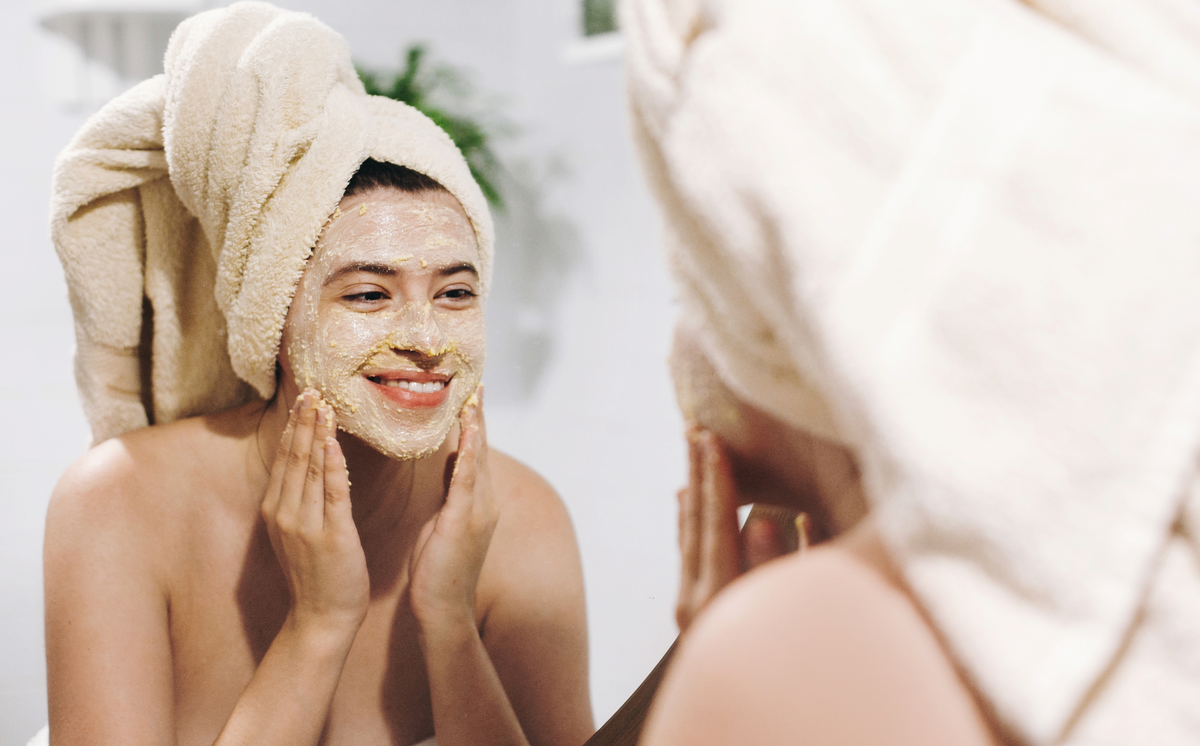
Approximately every 30 days, your skin will naturally shed dead skin cells to make way for new skin cells to develop on its surface layers. If those dead cells are not thoroughly cleaned, they cause dry, flaky and dull patches to break out.
Exfoliating removes dead skin cells from the skin's surface, which accelerates the natural exfoliation process. This has incredible benefits for your skin.
Reducing Acne And Hormonal Breakouts
Exfoliation is necessary for those with oily or acne-prone skin and those who struggle with monthly hormonal breakouts. Exfoliating on a regular basis eliminates the dead skin cells that accumulate and clog your pores, reducing the frequency and severity of breakouts.
Improving Skin Texture
When you exfoliate, you stimulate the skin's natural renewal process, allowing fresh, healthy cells to emerge. Skin becomes smooth and radiant instead of rough and dull.
Restoring Skins Vitality
As you get older, you may find that your skin becomes drier and rougher. The culprit? Dead skin cells that have built up over time. But exfoliating your skin helps it keep its youthful radiance.
Improving Skin Moisture
A buildup of dead skin cells prevents your new skin from adequately absorbing the moisturisers and serums you use every day, making them less effective. Exfoliating regularly can help you get the most out of your skincare and sun protection routines.
How Do You Exfoliate?
You can exfoliate with either a granular or chemical exfoliating product or an exfoliation tool, such as:
- A shower puff or exfoliating brush,
- A pumice stone, or
- An electric cleansing brush.
To prevent damaging your skin, use a manual exfoliating scrub with smooth, round grains rather than jagged, abrasive particles. Be careful with the scrub — a gentle touch is all that is necessary to remove dead skin cells. Any more than that, and you risk irritating your skin.
If you prefer chemical exfoliation, choose peels and masks that contain alpha or beta hydroxy acids. These provide the most intensive and nourishing exfoliation. If you have sensitive skin, you may want to opt for peels that contain enzymes derived from naturally occurring ingredients.
Exfoliate With YEARN Skin's Exclusive Beauty Range
We recommend the following exfoliating treatments from the YEARN Skin range for happy, healthy, hydrated and radiant skin that responds to all of your skincare routines:
Remember, everyone is different, and the same can be said for our skin. Check out the YEARN Skin skincare guide to ensure you're choosing the products best suited to your skin type.
Enhance Your Natural Beauty
Customer satisfaction, product quality, efficiency, education, research and development, authenticity, courage and creativity are all important to us. We strive to provide affordable, South African-made skin products that fulfil EU standards.
FAQs and Answers
1. Why is exfoliation important for the skin?
Exfoliation removes dead skin cells from the surface of the skin, allowing new healthy cells to appear. This helps improve skin texture, brightness, and overall skin health.
2. How often should you exfoliate your skin?
Most people can exfoliate two to three times per week. Those with sensitive skin may benefit from exfoliating once a week using gentle products.
3. Can exfoliation help with acne and breakouts?
Yes, exfoliation helps remove dead skin cells that clog pores. This reduces the chances of acne, blackheads, and hormonal breakouts.
4. What is the difference between physical and chemical exfoliation?
Physical exfoliation uses scrubs, brushes, or tools to remove dead skin cells manually. Chemical exfoliation uses ingredients like AHA or BHA acids that dissolve dead skin cells.
5. Does exfoliation improve the effectiveness of skincare products?
Yes, exfoliating clears the layer of dead skin cells that can block absorption. This helps moisturisers, serums, and treatments penetrate the skin more effectively.
6. Is exfoliation suitable for sensitive skin?
People with sensitive skin can exfoliate, but they should use gentle enzyme based exfoliants or mild chemical exfoliants and avoid harsh scrubs.
7. Can exfoliation help improve dull skin?
Yes, exfoliation removes the buildup of dead skin cells that cause dullness. This reveals smoother, brighter, and more radiant skin.
8. What ingredients are best for chemical exfoliation?
Common ingredients include alpha hydroxy acids such as glycolic acid and lactic acid, and beta hydroxy acids such as salicylic acid, which help remove dead skin cells and unclog pores.
